Monarch Butterfly Life Cycle and Fun Facts
SPECIAL NOTE: The IUCN (the International Union for Conservation of Nature) has listed monarchs as endangered. To date, it is still not listed as endangered in the CA Endangered Species Act (ESA) or the federal ESA. They are currently being considered for listing on the federal ESA, and a decision is expected in 2024. So, now, they are considered a ‘candidate’ species. They are threatened by loss of habitat, loss of food resources (Milkweed), pesticides, and climate change.
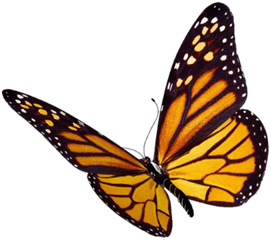
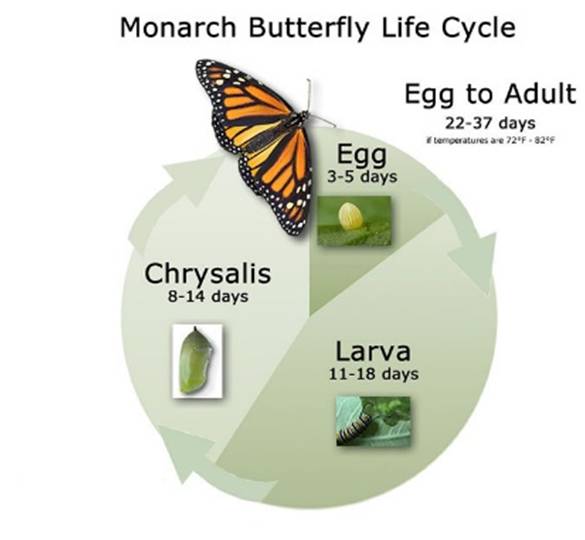
LIFE CYCLE: The female butterfly will only lay her eggs on her chosen host plant. In the case of Monarchs, the female will deposit her eggs only on milkweed plants. Within a few days, a caterpillar (larva) will emerge and feast on the milkweed leaves. During this time, the caterpillar will molt 5 times, called instars, until it reaches a mature size. It will then encapsulate itself and form a Chrysalis. Eventually, a mature butterfly will emerge, spend a few hours flapping and drying its wings, then flies off to the nearest nectar plant where it dips its proboscis into the heart of a flower and sips its sweet nectar. It will then fly off to begin its life’s journey.
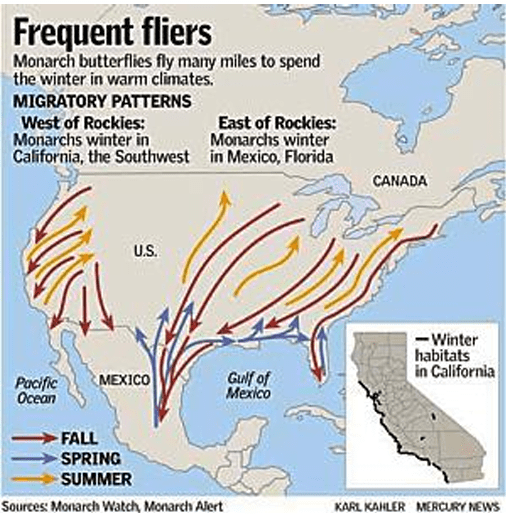
Interesting facts about Monarch Butterflies:
Interesting facts about Monarch Butterflies: The female can lay up to 400 eggs on milkweed. Monarchs spend their winters in dense clusters along the California coast or the forests of central Mexico or Florida. They can travel between 50 and 100 miles a day during migration. Their migratory journey can span over 2,000 miles. A group of butterflies is called a flutter.
A monarch can flap its wings up to 12 times per second, or 720 times per minute.
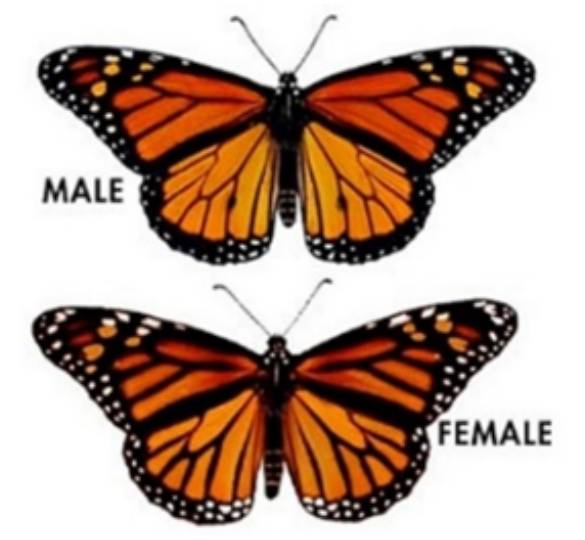
Male monarchs differ from the female by having black spots on their hind wings. The average wingspan is approximately four inches. They weigh less than an ounce, about the weight of a blade of grass. Adult butterflies only live from four weeks up to eight months.
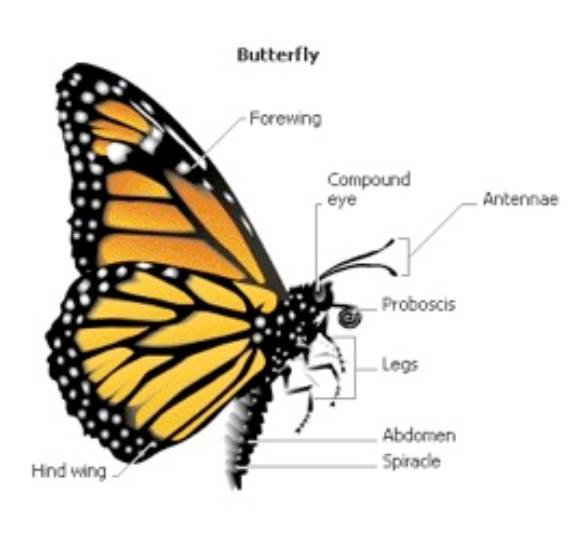
They breathe through tiny openings on the sides of their bodies called spiracles, and smell through their antennae. They have poor sense of hearing but have compound eyes for sight and can see color, including UV rays, which we cannot. Butterflies use their Proboscis to slurp up nectar and water.
To Help Monarchs, Plant Native Milkweed
three to seven in your garden, clustered together, for the adult female butterfly to lay her eggs on and for the emerging caterpillar to feast upon. Then surround it with nectar plants - food for the adult butterflies - such as yarrow, buckwheat, or lantanas.
MONARCH BUTTERFLIES RESOURCES with SUGGESTED PROJECTS FOR INDIVIDUALS OR SCHOOL CLASSES
1 - www.MonarchWatch.org - Apply for a Certificate for your Monarch Butterfly Waystation.
2 - https://SaveOurMonarchs.org – Dedicated to saving the monarch butterfly through educational programs at schools and personal guidance
Save Our Monarchs Foundation
The Save Our Monarchs Foundation is dedicated to protecting and restoring the monarch butterfly population. This organization focuses on educational programs in schools, providing personal guidance to individuals and groups interested in supporting monarch conservation efforts. By engaging students and communities, the foundation aims to raise awareness about the importance of monarchs and encourage the planting of milkweed and nectar plants, which are essential for the survival of these butterflies. Through hands-on learning and direct involvement, the Save Our Monarchs Foundation empowers people of all ages to make a positive impact on monarch butterfly conservation.
Saving Our Monarchs. One Milkweed at a Time.
Why Support the Save Our Monarchs Foundation? Monarch butterflies have officially been listed as an ENDANGERED SPECIES by the International Union for Conservation of Nature and are now on the brink of extinction.
Their numbers are down 90% of what they were in 1992. And the milkweed plant population, which is indispensable to the monarch, is also down 90%. Milkweed plants are the only source of food for the monarch caterpillar. But these plants are rapidly disappearing, due to the loss of habitat stemming from land development and the widespread spraying of weed killer on the fields where they live.
We want to promote the recovery of the monarch population now. One milkweed at a time. The Save Our Monarchs Foundation is solely dedicated to saving the monarch butterfly by planting more milkweed.
Please join us in helping save the monarch butterfly!
Join the Save Our Monarchs School Pollinator Garden Program!
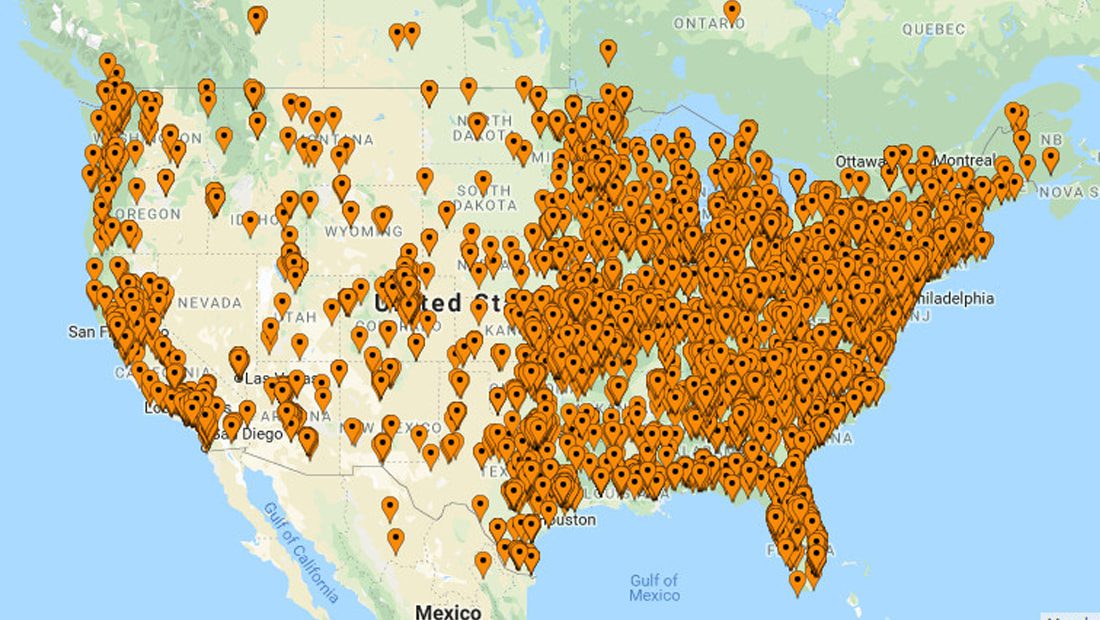
Every school, scout troop and 4H club is invited to participate in the Save Our Monarchs Pollinator Garden Program. Once enrolled, schools will receive a Pollinator Garden Mix pouch containing 17 wildflower, ten (10) annuals for first-year color, plus seven (7) perennials for second and successive years’ bloom....perfect for children to plant in a Butterfly & Bee Garden!
We currently have created over 30,000 school gardens across the US and want 2025 to be a big success for the schools. Our goal is to plant an additional 40,000 Pollinator Gardens across the US this year.
GET YOUR SCHOOL ENROLLED TODAY!
3 - Homegrown National Parks – Certify your garden for pollinators and put your garden on the map through the website www.Homegrownnationalpark.org (by Douglas Tallamy)
4 - www.MonarchJointVenture.org – dedicated to teaching about monarch butterflies
5 - Monarchs in the Rough: Monarchs | A program to promote habitat rebuild for Monarch butterflies through golf courses - (monarchsintherough.org)
6 - www.Xeces.org – Xerces Society a non-profit organization that protects wildlife through the conservation of invertebrates and their habitats (insects).
The Backyard Birding Bible by Rowan T. Wiedemann, EXCELLENT NEW BOOK
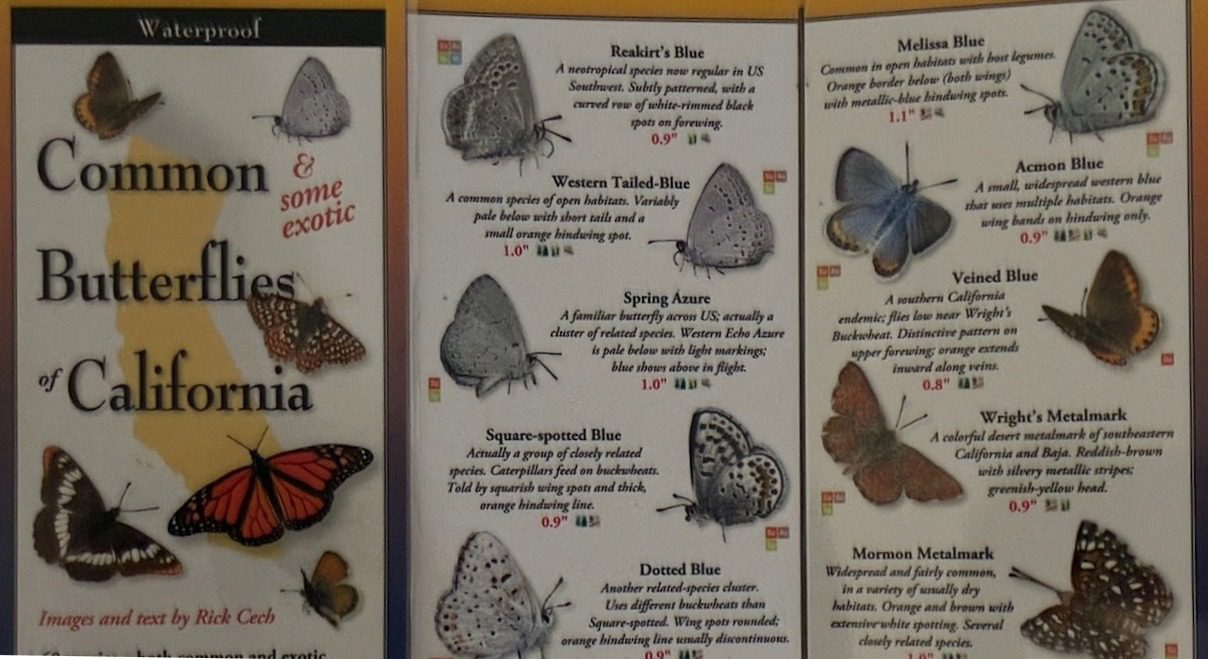
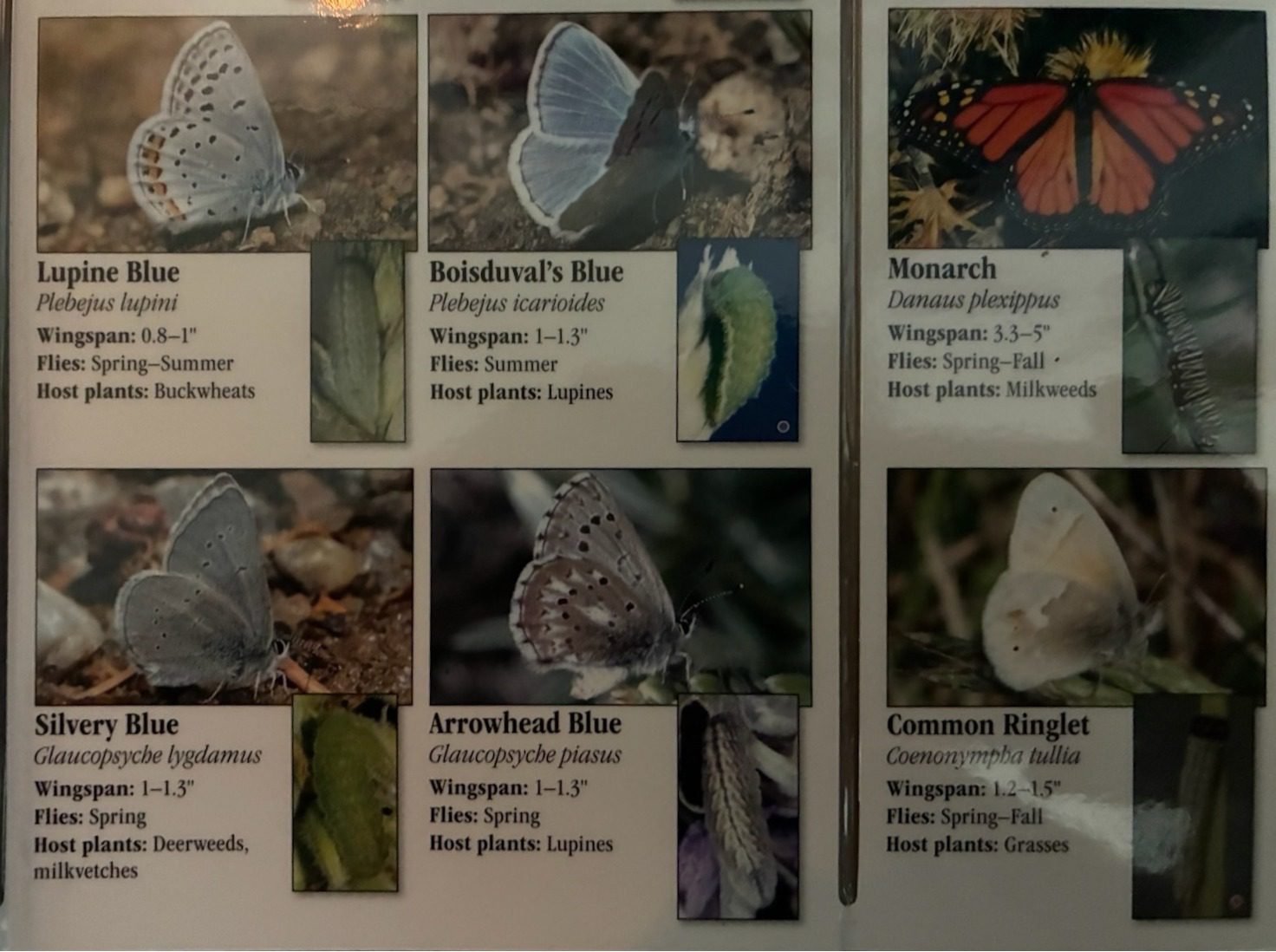
BELOW IS A LAMINATED ID OF CALIFORNIA BUTTERFLIES WHICH CAN BE ORDERED ONLINE
5 – HOST PLANTS FOR NATIVE BUTTERFLIES AND CATERPILLARS
Pick two different types (i.e., Milkweed and Buckwheat), and plant 3 of each one, in separate clusters, surrounded by nectar plants, such as Yarrow or Goldenrod, preferrable plants with clusters of small flowers on a flattened head.
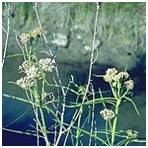
Narrowleaf Milkweed
3.3’ tall, 1’ wide
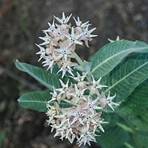
Showy Milkweed
6’ tall, 4’ wide
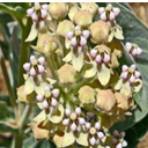
Katolo Milkweed
3’ tall, 1’ wide
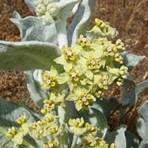
California Milkweed
3’ tall, 3’ wide
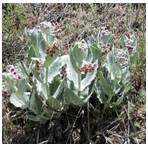
Woolly Milkweed
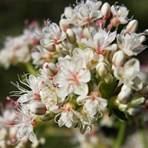
California Buckwheat
6.6’ tall, 3’ wide
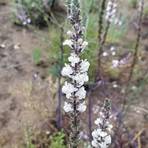
Coulter Snapdragon
Up to 5’ tall
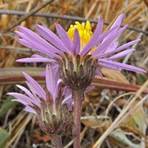
California Aster
3’ tall, 6’ wide
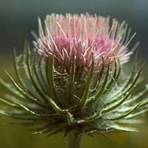
California Thistle
6 – SMALL BUTTERFLY GARDEN, CONSISTING OF 14 Plants (5 species):
3 NATIVE MILKWEEDS GROUPED TOGETHER, 3 CALIFORNIA BUCKWHEAT, 2 STICKY MONKEYFLOWER, 2 GOLDEN YARROW OR
COMMON YARROW, 4 CALIFORNIA POPPY IN FRONT
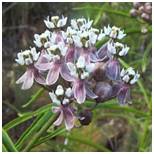
Narrowleaf Milkweed
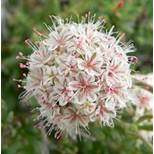
California Buckwheat
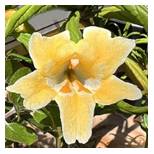
Sticky Monkeyflower
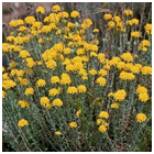
Common Yarrow
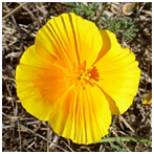
California Poppy
7 – MINIATURE MONARCH BUTTERFLY GARDEN
CONSISTING OF 5 Plants - (2 species):
3 MILKWEEDS GROUPED TOGETHER, 2 BUCKBRUSH
or 2 LANTANAS ON OPPOSITE ENDS OF THE MILKWEEDS
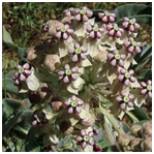
Desert Milkweed
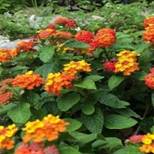
Lantana

BENEFITS OF NATIVE PLANTS
90% DECREASE IN WATER USAGE: Swap out that thirsty grassy terrain for native plants that are drought tolerant and support our native pollinators, such as birds, bees, hummingbirds, caterpillars, bats, beetles, and small mammals.
They assist plants in reproducing, sustain our ecosystems, provide many of our foods for consumption, and produce our natural resources. They help prevent soil erosion and increase carbon sequestration. They are at the bottom of the food chain and thus provide food for larger creatures, such as, birds and mammals. Without them, nature’s ecosystems would collapse.
Butterfly gardens are popular with families and add beauty to your local parks.
For educational purposes, add a bench to allow visitors to sit to read and enjoy the outdoors. As we see the natural areas around us diminishing, we must do our part and not only plant beautiful gardens but also design them to support our ecosystems.
LOCAL SOURCE FOR CA. NATIVE PLANTS FOR THE INLAND EMPIRE
Moosa Creek Nursery (Retail, Wholesale)
moosacreek.com – California’s Native Plants
Myrtle Creek Botanical Gardens & Nursery
Knoppelasen(good supplier of Milkweed)
Armstrong Garden Center (Retail)
Curby Nursery (Retail)
Good variety
Walker’s Wildlands California Native Plant Nursery
Owner: Walker Wilson
Email: Wilsonesque@outlook.com
Phone: (760) 783-6140 (Call for location, product, and/or delivery options)
Other Conservation Organizations
CORNELL LAB OF ORNITHOLOGY offers workshops, field trips, and online courses for all age groups.
FREE WEBINARS for teachers through Cornell Lab of Ornithology:
Go to their website for Free Webinars put on by the Cornell Lab of Ornithology.
To find Native Plants in your area, go to
http://www.Audubon.org and look for Native Plants.
www.LIVEMONARCH.COM - Mission Statement: This site offers education, involvement, assistance and acknowledgment of persons directly acting to benefit the Monarch Butterfly and various native creatures who have suffered a decline in their natural habitats.
THE TEACHER'S GUIDE.COM/BIRDS.HTM offers a variety of lesson plans for children of all ages including craft projects.
IDENTIFY BACKYARD BIRD VIDEO - a YouTube video which is so well done.
BIRDS OF NORTH AMERICA.NET - Easy way to identify birds of North America. Simply click on the color of the bird (ie. Red Birds) or category (ie. birds of prey, hummingbirds).
NORTH AMERICAN BIRD SONG VIDEO - See how many bird songs you know.
BIRD FESTIVALS: You can find Bird Festivals in the USA and other countries. Go to the
American Bird Association (ABA.org) website's page on Festivals.
www.ENCHANTEDLEARNING.COM - produces children’s educational web sites which are designed to capture the imagination while maximizing creativity, learning, and enjoyment.
www.KIDWINGS.COM - a great website for teachers and students.
www.ALLABOUTBIRDS.ORG - The name says it all.
www.HUMMINGBIRDSOCIETY.ORG - Society for the protection and preservation of Hummingbirds throughout the world.
www.ENATURE.COM/BIRDING/ - a popular and quick source for bird identification and features.
www.FEEDERWATCH.ORG has put together a list of approximately 100 common birds who use bird feeders, broken down by area of the United States, type of food, and type of feeder. Click HERE to check out the birds in your area.
Keep in touch with us!
Signup for Santa Margarita Group emails
With this action you affirm you want to receive regular phone and text communications from Sierra Club and may vote on policy designated by the Sierra Club Board.
MAKE A DONATION TO THE LOCAL SIERRA CLUB SANTA MARGARITA GROUP, as follows:
Your donations are our only source of income; your local Sierra Club Group does not receive funding from the Chapter, State or National Sierra Club organization.
Make a tax-deductible donation by writing your check payable to the **Sierra Club Foundation** with **Santa Margarita group** in the memo (this is very important).
Donate now by clicking on the word
Paypal.
Non tax-deductible donations are made directly to the Santa Margarita Group/Sierra Club.
Our Paypal email is:
FEEDERWATCH.ORG**
GREAT OPPORTUNITY: Take your bird ID and scientific curiosity to the next level by joining
FeederWatch.org, developed by the Audubon Society under the Cornell Lab of Ornithology (the study of birds).
The Great Backyard Bird Count (GBBC) has ended for this year. This is held for four days every February. Learn about amazing way to join the entire world as they add to the data base used by Audubon. Get involved by spending as little as 15 minutes tallying birds in your community and then submit your lists online. The data collected by volunteers powers conservation initiatives and helps us better understand how climate change will impact the birds we all love.
Join the Great backyard Bird Count
The GBBC is an inter-organizational effort between Audubon, Cornell Lab of Ornithology, and Birds Canada. Anyone can take part in the GBBC, from your backyard, a public park, or anywhere in the world.
Right now, bird and nature lovers of all skill levels and abilities are tallying as many of the world's bird species as possible. Keep reading to learn how to participate in this year's count.
SIERRA CLUB SAN GORGONIO SANTA MARGARITA’S OWN GUIDE
80+ guide on butterfly gardens in the Inland Empire, go to:
www.SierraClub.org/san-gorgonio/santa-margarita/butterfly-garden-guide
For questions or comments,
contact Caren Hanson at
(951) 754-0147
carenhanson3@gmail.com