Bird Numbers Declined Across North America
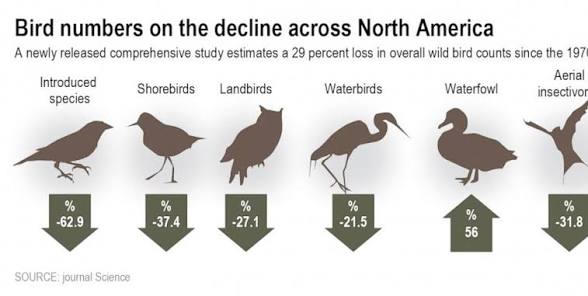
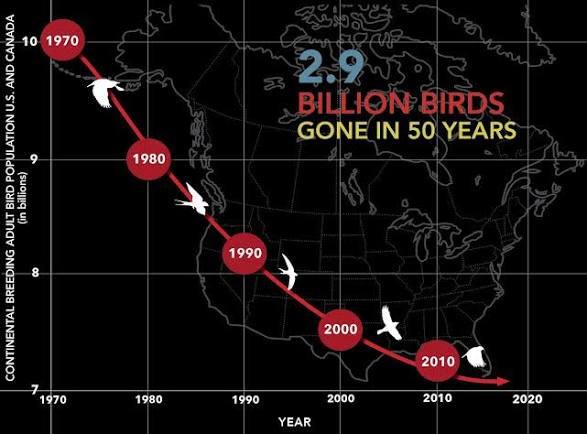
North American bird populations have dropped by nearly 3 billion—more than 1 in 4 birds—since 1970, signaling a, massive ecological crisis. Driven primarily by habitat loss, agricultural intensification, and climate change, species across all biomes are in decline, with grassland birds hit hardest.
Cornell Lab of Ornithology +4
Key Findings on the Last 50 Years of Bird Loss
- Magnitude of Decline: Research indicates a 29% reduction in total bird population in the U.S. and Canada over the last half-century, translating to a loss of 2.9 billion breeding adults.
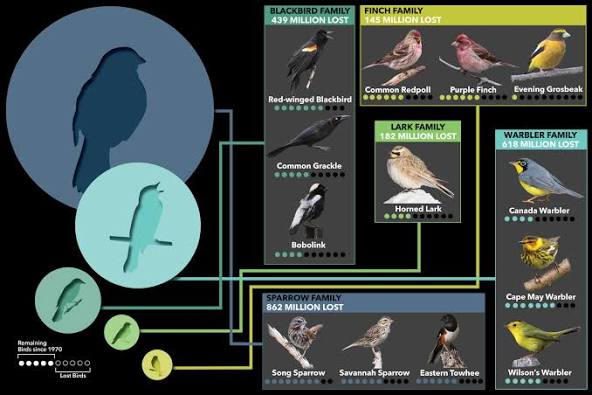
- Widespread Impact: More than 90% of the losses (over 2.5 billion birds) come from 12 common families, including sparrows, warblers, and finches.
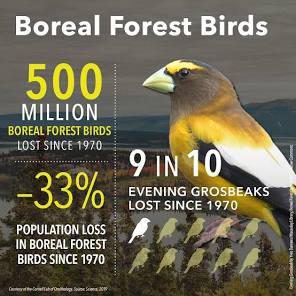
- Hardest Hit Species: Grassland species have declined by 53%, while boreal forest species dropped by 33%.
- Global Context: Globally, nearly half of all bird species are in decline, with 1,409 species considered threatened.
Cornell Lab of Ornithology +3
Primary Drivers of Decline
- Habitat Loss and Intensification: The conversion of natural land for agriculture and urban development is the leading factor.
- Environmental Changes: Climate change and pesticide use contribute significantly to dwindling numbers.
- Direct Human Causes: Cats are estimated to kill over 2.4 billion birds annually in the U.S. and Canada, while building collisions account for up to 1 billion deaths annually.
Cornell Lab of Ornithology +3
Impact on Ecosystems
Birds serve as essential indicators of environmental health, often called "canaries in the coal mine". Their rapid decline indicates an unravelling of the ecosystem, which may lead to a sixth mass extinction. While 70 "Tipping Point" species are at risk of losing half their remaining populations within another 50 years, some species, such as the Wood Duck, have shown that conservation efforts can lead to recovery.